
Where to Stay in Budapest for Thermal Baths
Deciding where to stay in Budapest for thermal baths comes down to something most city guides skip: which metro line your hotel sits on. District VI puts you on the M1, which runs directly to Széchenyi’s front door. District V is the easiest all-round base, and a handful of hotels pipe thermal water into their own spa so you never have to leave the building. Two things changed recently that affect where you should book — Gellért Baths closed for renovation in October 2025, and the Gellért Hotel above it won’t reopen until 2027.
Some links on this page are affiliate links: if you book through them we may earn a commission at no extra cost to you. It never affects which hotels we list or the order they appear in. Full disclosure.
How do you choose where to stay in Budapest for thermal baths?
Budapest splits along the Danube into hilly Buda and flat, dense Pest. For a bath-focused trip the answer is almost always Pest: it’s walkable, it’s where the restaurants and transport connections are, and the two baths most visitors actually go to — Széchenyi and Lukács — are easier to reach from there.
Three questions settle it:
- Is Széchenyi your priority? Stay in District VI, on or near Andrássy út. The M1 metro runs underneath it and stops at Széchenyi fürdő.
- Do you want to walk everywhere? District V. Most major sights are within twenty minutes on foot, and the ground is flat.
- Do you want the bath in your hotel? Then location matters less than the property itself — see the thermal hotels section below.
Which Budapest neighbourhood is best for a bath trip?
District VI is the strongest choice for a bath-focused trip because the M1 metro runs beneath Andrássy út straight to Széchenyi. District V is the easiest all-round base and the most walkable, District VII has the best food, and District XIII offers better value with Lukács nearby.
| District | Best for | Nearest bath | Trade-off |
|---|---|---|---|
| VI (Terézváros) | Széchenyi visitors | Széchenyi, via M1 | Fewer budget options |
| V (Belváros-Lipótváros) | First-timers, walkers | Rudas, across the bridge | Priciest, most touristed |
| VII (Erzsébetváros) | Food and nightlife | Széchenyi, via M1 | Noisy near Kazinczy utca |
| XIII (Újlipótváros) | Value, quiet evenings | Lukács, Margaret Island | Less atmospheric |
| II / XI (Buda) | Peace and views | Lukács / Rudas | Hillier, fewer restaurants |
District VI — Terézváros. The insider pick for this particular trip. Andrássy út is grand and quiet at night, and the M1 — the oldest underground line in continental Europe — runs beneath it straight to the baths. Getting back to your room damp and drowsy after a long soak is genuinely easier here than anywhere else.
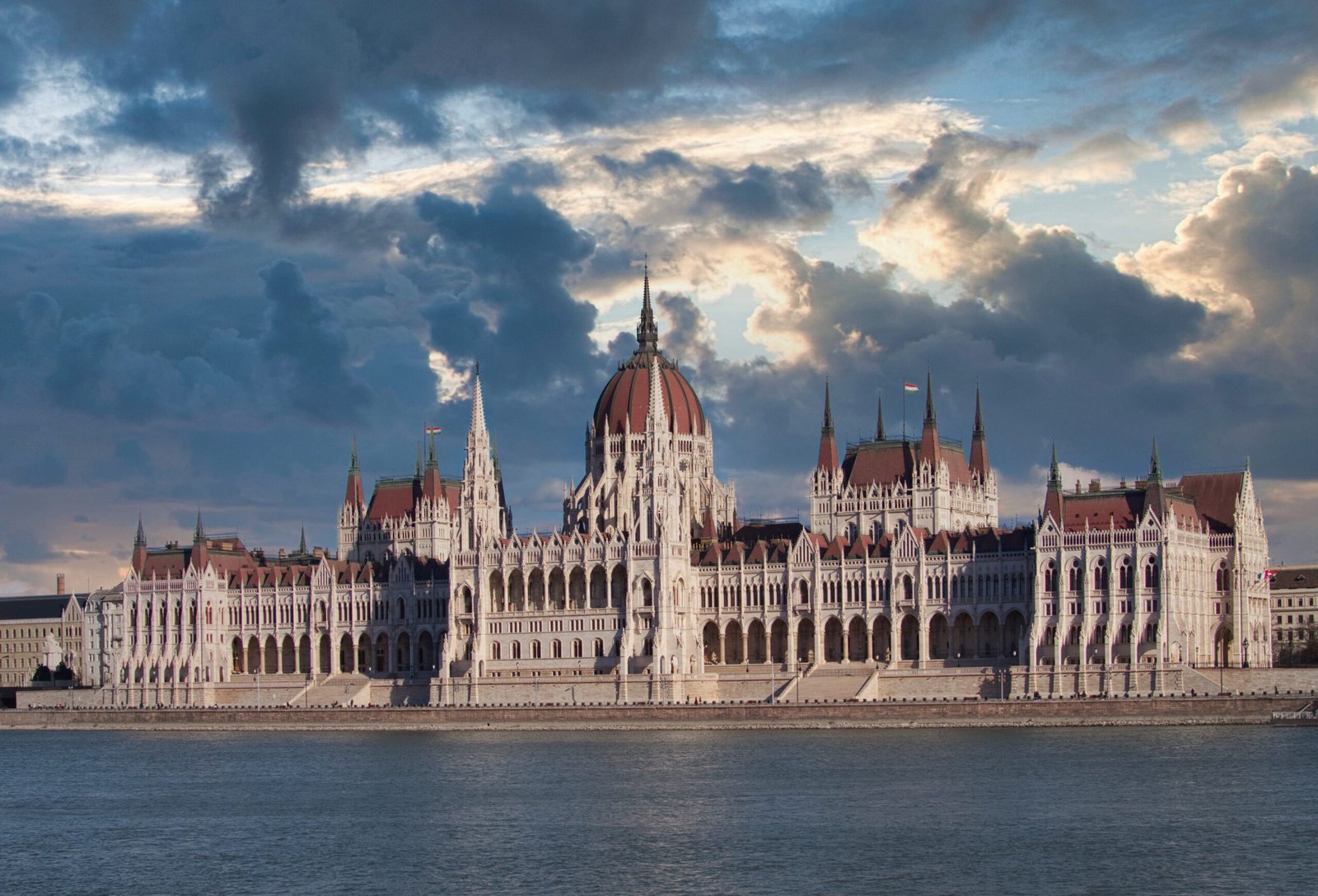
District V — Belváros-Lipótváros. The most convenient base in the city and the safest choice if this is your first visit. Parliament, the Basilica and the river promenade are all on your doorstep, and Rudas is a fifteen-minute walk across Elizabeth Bridge. You pay for the convenience.
One 2026 change to know before you search: Terézváros banned short-term rentals from 1 January 2026, so Airbnb-style apartments are no longer legal here. Hotels, guesthouses and serviced accommodation are unaffected, so the district remains an excellent base — you just book a hotel rather than an apartment.
District VII — Erzsébetváros. The old Jewish Quarter, and the liveliest part of Budapest. Best food scene in the city and the widest range of places to sleep, from hostels to design hotels. The noise concentrates on a few specific streets rather than the whole district, so book by street name, not by district number.
District XIII — Újlipótváros. Residential, leafy, noticeably cheaper, and a short walk from both Margaret Island and Lukács. A good pick for longer stays or a second visit.
Buda — Districts II and XI. Quieter and greener, with the better views. Worth considering if you’re headed to Lukács or Rudas repeatedly, or travelling with someone who wants calm evenings. Be aware that many Castle District restaurants close early.
Which hotels are near Széchenyi Baths?
The closest hotels sit on Dózsa György út by Heroes’ Square, roughly a 10-minute walk from the Széchenyi entrance on Állatkerti körút. Nothing stands directly beside the bath — City Park surrounds it, and the nearest streets with hotels are on the far side of Heroes’ Square. Walking times below were measured to the main entrance and checked in August 2026.
| Hotel | Walk to Széchenyi | District | Who it suits |
|---|---|---|---|
| Mirage Medic Hotel | ~10 minutes | District VI (Terézváros) | The closest option, and the one to pick if an early morning swim matters |
| Ibis Budapest Heroes’ Square | ~10 minutes | District VI (Terézváros) | Predictable and cheap; no surprises in either direction |
| Hotel Benczúr | ~15 minutes | District VI (Terézváros) | A quiet residential street, away from the Andrássy traffic |
| Mystery Hotel Budapest | ~25 minutes | District VI (Terézváros) | Design-led, but you are closer to the centre than to the bath |
The honest drawback of all of them is the same: City Park is beautiful in daylight and empty at night, and the walk back after a late Friday session runs through it. If that matters to you, staying in District VI (Terézváros) or District VII and taking the M1 metro two stops is the better trade. The M1 runs to Széchenyi fürdő station, which surfaces almost at the entrance.
Nightly rates near the park swing hard between seasons — a room that costs one figure in January can double in a late-August week, and no fixed band would stay true for long. Check your own dates rather than trusting a price printed on any guide, including this one.
Which Budapest hotels have their own thermal water?
A handful of Budapest hotels draw on the same springs the public baths use, so you can soak in a robe two floors below your room. This is a different experience from the grand public baths — quieter, smaller, more medical in feel, and usually included in the room rate.
The best known is Ensana Thermal Margaret Island, on the car-free Margaret Island in the middle of the Danube. It has a spring-fed thermal bath, indoor and outdoor pools, saunas and a medical spa, and it connects by underground passage to its sister property, Ensana Grand Margaret Island. The setting is the selling point: parkland, river views, and no traffic. The trade-off is distance — the city centre is roughly a ten-minute drive, and the island itself has no metro station.
If a hotel spa is the point of the trip, this is the category to book in. If you mainly want the historic bathhouses, save the money and stay central.
Can you still stay at the Gellért?
For decades the obvious answer to this question was the Hotel Gellért — sleep upstairs, bathe in the Art Nouveau halls below. That’s off the table for now, and it’s worth understanding why before you book anything on the Buda side.
The hotel closed for renovation in December 2021 and is scheduled to reopen in 2027 as the Mandarin Oriental Gellert, Budapest, with 143 rooms and its own rooftop pool under a retractable glass roof. Separately, the baths themselves — owned by the city, not the hotel — closed in October 2025 and aren’t expected to reopen until 2028.
The practical upshot: staying near Szent Gellért tér specifically for the baths no longer makes sense. Pick your base for Rudas, Széchenyi or Lukács instead.
What should you know before you book?
Two costs catch people out: a 4% city tax added at the property, and weekend bath entry that runs higher than weekdays. Beyond that, book by street rather than by district number, keep your hotel within a few minutes of a metro station, and remember that Pest is flat while Buda is not.
- Budapest adds a city tax of 4% of the net room rate per night, collected at the property. It isn’t usually shown in the headline price.
- Book by street, not district. District VII contains both the quietest courtyards and the loudest bar street in the city.
- Pest is flat, Buda is not. If anyone in your group struggles with hills or steps, this matters more than the map suggests.
- Aim for a hotel within a few minutes of an M1, M2 or M3 station — Budapest’s transport is excellent, but only if you’re near it.
- Weekday nights are cheaper, and they’re also when the baths are quietest. The savings stack.
Frequently Asked Questions
Which district is best for visiting Széchenyi Baths?
District VI. The M1 metro runs beneath Andrássy út and stops directly at the baths, so you can get there in minutes without changing lines.
Are there hotels in Budapest with their own thermal baths?
Yes. Ensana Thermal Margaret Island on Margaret Island has a spring-fed thermal bath, pools and a medical spa on site. Several other spa hotels have wellness facilities without genuine thermal water, so check the description carefully before booking.
Can I still stay at the Hotel Gellért?
No. It closed for renovation in December 2021 and is due to reopen in 2027 under the Mandarin Oriental brand. The Gellért Baths next door are separately closed until 2028.
Should I stay in Buda or Pest?
Pest, for a first visit. It’s flatter, more central, better connected and closer to most of the baths worth your time. Buda suits return visitors who want quiet and views.
How much is the tourist tax in Budapest?
4% of the net room price per night, added to your bill at the hotel rather than at booking.
Once you’ve picked your base, see our guide to the best thermal baths in Budapest for prices, opening hours and which bath suits your trip.
Last updated: August 2026.