
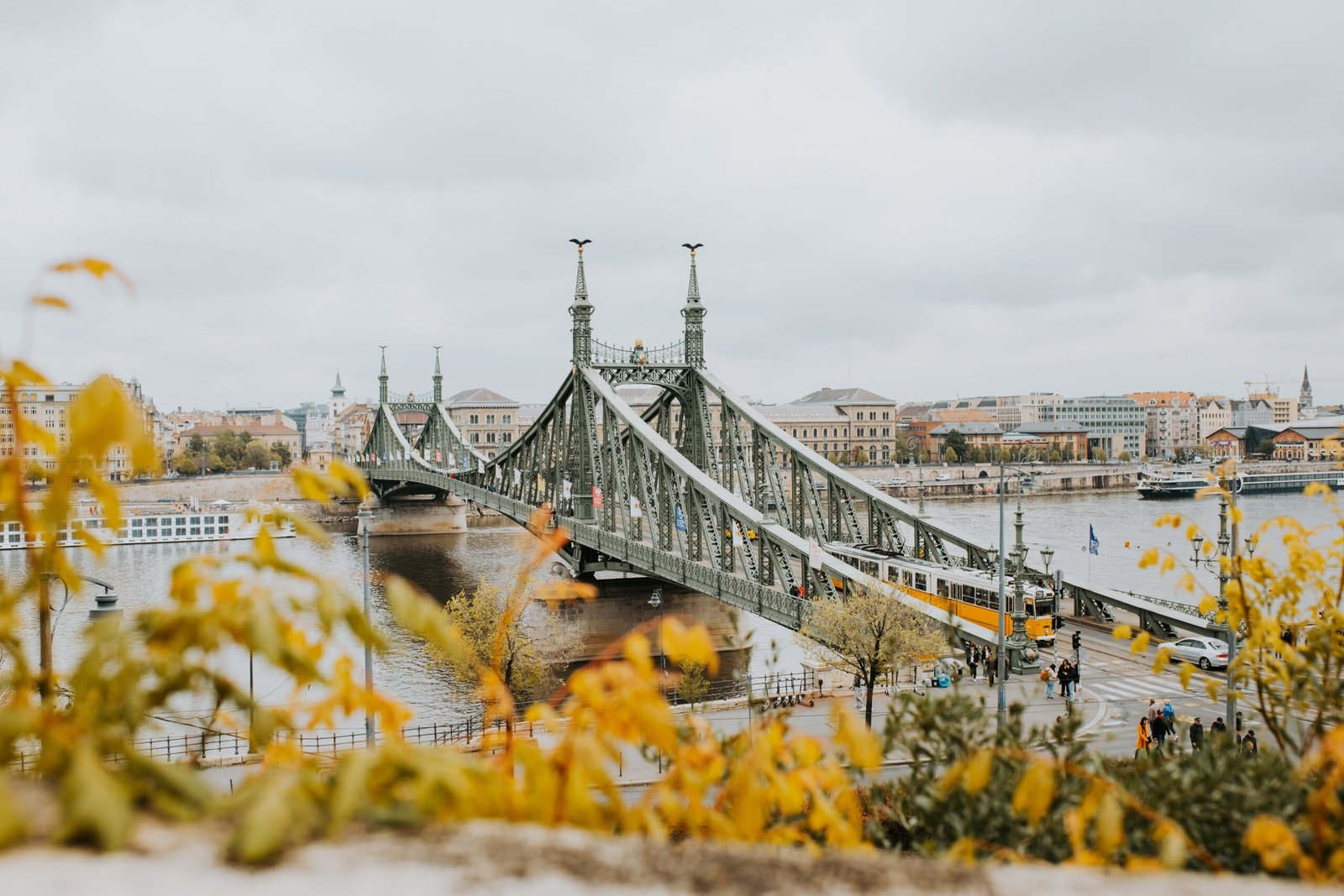
This post contains affiliate links. If you book through them we may earn a small commission at no extra cost to you.
The best time to visit Hungary is May, June and September: daytime highs of 22–26°C, long daylight, and noticeably smaller crowds than midsummer. July and August are hottest and busiest. If thermal baths are your reason for coming, January and February are quietly the best months of the year — and the cheapest.
What is the best time to visit Hungary month by month?
Hungary has a continental climate: warm summers, cold winters, and two genuinely pleasant shoulder seasons. The table below is the short version, using long-term averages for Budapest.
| Month | Avg high | Avg low | Crowds | Prices | Verdict |
|---|---|---|---|---|---|
| January | 3°C | -3°C | Very low | Lowest | Best baths, hardest weather |
| February | 6°C | -2°C | Very low | Lowest | Cold, quiet, cheap |
| March | 12°C | 2°C | Low | Low | Unpredictable; early spring |
| April | 18°C | 6°C | Rising | Moderate | Good; pack layers |
| May | 23°C | 11°C | Moderate | Moderate | Excellent, but wettest month |
| June | 26°C | 14°C | High | High | Excellent; long days |
| July | 28°C | 16°C | Peak | Peak | Hot, crowded, festival season |
| August | 28°C | 16°C | Peak | Peak | Hot; Sziget and 20 August |
| September | 23°C | 12°C | Moderate | Moderate | Arguably the single best month |
| October | 16°C | 7°C | Low | Moderate | Beautiful light, thin crowds |
| November | 9°C | 3°C | Low | Low | Grey; Christmas markets open |
| December | 4°C | -1°C | Spikes | Rises | Markets and lights; cold |
Rainfall is moderate all year at roughly 600 mm, with May and June the wettest months and February the driest. Snow is possible from December to February but rarely lasts.
When is the best time to visit Hungary for good weather?
May, June and September deliver the most reliable comfort. Daytime highs sit between 22 and 26°C, evenings are mild enough to sit outside, and daylight runs past 20:00 in June. The trade-off in May is rain — it is statistically the wettest month, so bring a light jacket rather than assuming sunshine.
July and August average 28°C but can spike above 35°C for stretches. Budapest’s stone and concrete hold that heat well into the evening, and Castle Hill in a July afternoon is genuinely unpleasant. If those are your only possible dates, front-load your sightseeing before 11:00 and treat the afternoons as bath, museum or river-cruise time.
Why is winter the best season for Hungary’s thermal baths?
The counterintuitive answer most guides skip: the thermal baths are at their best in January and February. Sitting in a 38°C outdoor pool while steam rises into freezing air is the definitive Hungarian experience, and it simply does not work in August. Crowds are a fraction of summer levels, hotel rates hit their annual low, and the water temperature is identical year-round.
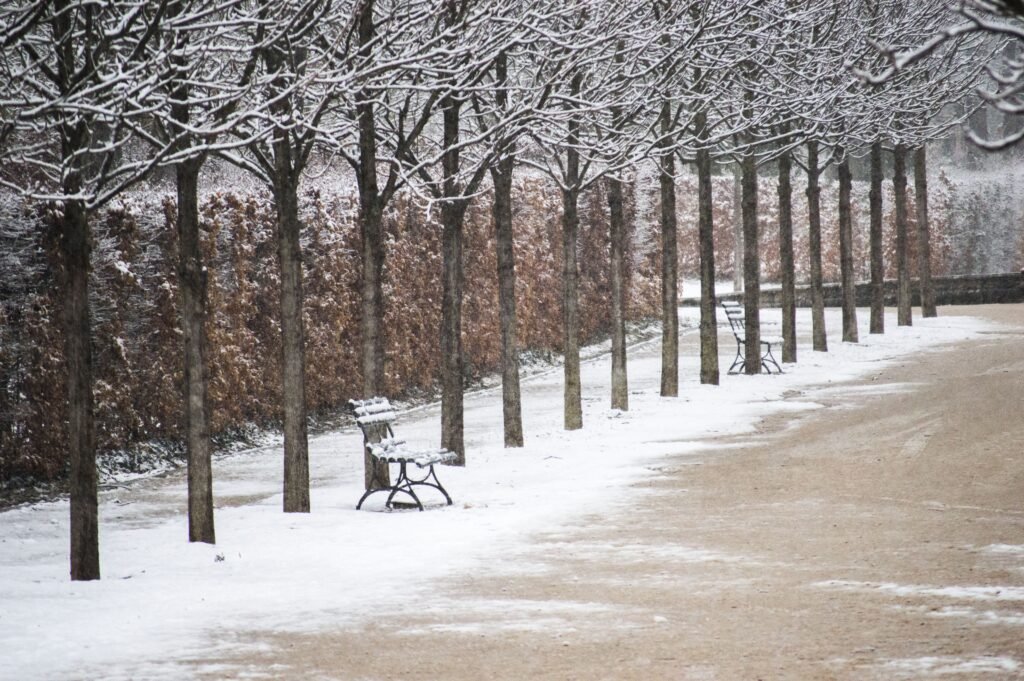
The practical caveat is the walk between the changing room and the pool. Bring flip-flops and a robe, move quickly, and pick a complex with an indoor route to the outdoor pools. Our ranked guide to Budapest’s best thermal baths notes which ones handle this well, and the Széchenyi guide covers the largest outdoor complex in detail.
One planning note for any season: Gellért Baths is closed for renovation until a planned 2028 reopening, so build your bath day around Széchenyi, Rudas or Lukács instead.
When is the cheapest time to visit Hungary?
January to early March is the cheapest window, once the New Year period has passed. Accommodation rates drop sharply, flights are at their lowest, and restaurants take walk-ins without a booking. November is the second-cheapest month until the Christmas markets open in mid-November and prices begin climbing again.
The expensive windows are predictable: mid-June to late August, the days around Sziget in mid-August, the Christmas market season from late November to 31 December, and any date near the Hungarian Grand Prix. Accommodation during Sziget in particular fills months ahead across the whole city, not just near the festival site.
Compare Budapest hotel rates by month →
What festivals should shape your trip dates?
Hungary’s calendar has a handful of dates worth planning around — or avoiding, depending on what you want.
| Event | When | Why it matters |
|---|---|---|
| Bartók Spring arts weeks | April | Opera, dance and classical across the city |
| Sziget Festival | 11–15 August 2026 | Half a million visitors; book accommodation months ahead |
| St István’s Day | 20 August | National holiday, fireworks over the Danube, widespread closures |
| Budapest Wine Festival | 10–12 September 2026 | Buda Castle setting; the best of the autumn events |
| Republic Day | 23 October | 1956 commemorations; many closures |
| Christmas markets | Mid-November to early January | Vörösmarty Square and the Basilica; peak December pricing |
Public holidays mean closed shops, reduced transport and full restaurants. 20 August and 23 October in particular will reshape a day of sightseeing if you have not planned for them.
When should you visit Hungary beyond Budapest?
Lake Balaton runs on a short season: late June to early September, with July and August genuinely busy and much of the lakeside infrastructure shut outside those months. If Balaton is a priority, your dates are effectively decided for you.
The spa towns — Hévíz, Bükfürdő, Eger — work year-round and are markedly better value outside summer. Hévíz’s thermal lake stays swimmable in winter, which makes a February visit both cheap and memorable. The wine regions around Villány, Eger and Tokaj peak in September and October during harvest.
If you are combining Budapest with a spa town, our where to stay guide covers the city side, and the three-day Budapest itinerary works as the anchor for a longer trip.
FAQ Best Time to Visit Hungary
What is the best month to visit Hungary?
September, narrowly. It has summer-level warmth without the heat spikes, smaller crowds than July or August, moderate pricing, and the Budapest Wine Festival.
Is Hungary worth visiting in winter?
Yes, particularly for the thermal baths, Christmas markets and the lowest prices of the year. Expect short daylight and highs of 3–6°C between December and February.
What is the worst time to visit Hungary?
Late November and early February if you dislike grey skies, and mid-July to mid-August if you dislike heat and crowds. Neither is a bad trip, just a compromised one.
How many days do you need in Hungary?
Three days for Budapest alone, five to seven to add a spa town or the Danube Bend, and ten if you want Balaton or the wine regions as well.
Does Hungary get very hot in summer?
Averages sit around 28°C in July and August, but heatwaves above 35°C occur most summers. Plan indoor or water-based activities for the early afternoon.